Kenya safari planning for Nigerian Pidgin speakers is easier than most people think. You speak English or Pidgin, and Kenya runs on English. The real work is in the paperwork and the budget. This guide gives you the honest facts on visas, yellow fever rules, flights, costs in Naira, and which parks deserve your time.
Kenya safari planning for Nigerian Pidgin speakers: do Nigerian citizens need a visa to visit Kenya?
Yes, you need a visa or an eTA. Kenya moved to an electronic travel authorization system. The old visa sticker in your passport is gone. You apply online before you fly.
The eTA covers tourism, business, and transit. You fill a form on the official Kenya eTA portal. You pay with a card. The fee is set by the Kenya government and changes, so check the official site for the current amount. Apply at least two weeks before your trip, since approval can take a few days.
You will upload your passport bio page, a passport photo, and your flight itinerary, plus proof of accommodation in some cases. Print the confirmation email and keep it with your passport.
Is a yellow fever vaccination certificate compulsory for Nigerians entering Kenya?
Yes, this is not optional. Kenya requires a yellow fever certificate from travelers coming from countries with yellow fever risk. Nigeria is on that list. Carry the certificate and be ready to show it at the airport in Nairobi.
Get the vaccine at least ten days before your travel date. The vaccine gives lifelong protection in most cases. Your doctor or a travel clinic will give you the yellow card. Keep the card in your hand luggage, not your checked bag.
Some travelers get asked for the certificate at the border and others do not. Do not gamble on that, since a missing certificate can mean a delay, a fine, or denied entry.
What are the flight routes and duration from Lagos or Abuja to Nairobi?
There is no direct flight from Lagos or Abuja to Nairobi. You will connect once. Kenya Airways flies from Lagos to Nairobi with one stopover. Ethiopian Airlines flies from Abuja and Lagos through Addis Ababa. The total travel time is around eight to ten hours, plus the layover.
Book with Kenya Airways or Ethiopian Airlines, both reliable with daily options. Flights from Lagos usually land in the evening, so plan a hotel near the airport for your first night rather than heading straight to a park.
Is Kenya safe for Nigerian travelers and families?
Yes, Kenya is safe for tourists when you use common sense. Nairobi has busy streets like any big city. Do not walk alone at night in unfamiliar areas. Use hotel transport or a trusted taxi app.
The safari parks and conservancies are safe. You stay inside a vehicle with a guide, and the main risk is getting too close to a wild animal, not crime. Follow your guide’s instructions and you will be fine.
Families travel well in Kenya. Kids love the animals, and lodges are used to children. Some camps have age limits for walking safaris, so check when you book.
Will Pidgin or English get you by on safari?
English will get you everywhere. Kenya is an English-speaking country. Safari guides run their tours in English. You will understand your guide, and they will understand you.
Pidgin is a bonus, not a need. Many Kenyans pick up some Pidgin from Nigerian movies and music, and it can break the ice. But stick to clear English for safety briefings and park rules.
For Nigerian Pidgin speakers, this is a huge advantage. You face zero language barrier. You can ask questions, learn about animal behavior, and hear the guide’s stories without an interpreter.
How much does a Kenya safari cost in Naira?
Safari prices are quoted in US dollars. The Kenyan shilling also works. You will pay in USD or shillings, not Naira. So your real cost depends on the exchange rate.
Here is a realistic range for a five to seven day safari. Prices per person, sharing a room, excluding international flights.
| Safari Type | Cost in USD per person | Cost in Naira (indicative range) |
|---|---|---|
| Budget camping safari | 150 to 250 per day | 200,000 to 350,000 per day |
| Mid-range lodge safari | 300 to 500 per day | 400,000 to 700,000 per day |
| Luxury conservancy safari | 700 to 1,200 per day | 950,000 to 1,600,000 per day |
Use the Naira range as a rough guide only. The exchange rate moves a lot. Check the current rate on the day you pay.
The biggest cost is the park fees. Non-resident fees are charged in USD. A day in the Masai Mara National Reserve costs around 100 USD per adult from January to June. From July to December, during the migration season, the fee rises to around 200 USD per adult. Conservancies like Mara North or Naboisho set their own fees, usually 80 to 150 USD per person per night, bundled into the lodge rate. That money goes to the local community.
Can I use my Nigerian debit or credit card in Kenya?
Sometimes, but do not depend on it. Kenyan ATMs accept Visa and Mastercard, and Nigerian banks issue cards on those networks, but card failures happen. Carry a mix of cash and cards.
Bring clean, new US dollar bills, since old or folded notes can be rejected. You can exchange dollars for shillings at the airport or a local bank.
Small vendors, markets, and tips are cash only. Lodge bills can go on a card, but a cash backup saves you stress. Do not bring Naira to Kenya. It is not accepted anywhere.
What is the best time of year for a Kenya safari?
It depends on what you want to see. The wildebeest migration is the headline act, with herds crossing the Mara River between July and October, the busiest and most expensive time.
The dry season runs from June to October. Wildlife gathers around water sources and the short grass makes animals easy to spot.
The wet season runs from November to May. The parks turn green with baby animals, bird watching is excellent, and prices drop as crowds thin out. Rain tends to fall in short afternoon bursts, not all day.
For a first-time safari, the dry season from July to October is the safest bet for the migration drama and classic savanna scenes.
Which Kenya parks and conservancies should I prioritize?
You cannot see everything in one trip, so pick two or three places and do them well.
| Park or Conservancy | Best For | Suggested Stay |
|---|---|---|
| Masai Mara | Big cats, wildebeest migration, open plains | 3 to 4 nights |
| Amboseli | Elephants with Kilimanjaro backdrop | 2 nights |
| Ol Pejeta | Rhinos, chimpanzees, night game drives | 2 nights |
| Samburu | Rare northern species, dry landscapes | 2 nights |
| Lake Nakuru | Flamingos, rhinos, easy from Nairobi | 1 to 2 nights |
The Masai Mara is the classic choice. It has the highest density of lions and leopards. The conservancies next to the reserve, like Mara North and Naboisho, offer a quieter experience with excellent guides. See our guide on where to stay in the Masai Mara for camp comparisons.
Amboseli is famous for its elephant herds. You see Kilimanjaro in the background, which is a postcard moment. It is a short flight or around a four hour drive from Nairobi.
Ol Pejeta is a conservancy, not a national park. It does things differently. It protects rhinos and runs a sanctuary for the last two northern white rhinos on earth. The guide to how many days you need in Ol Pejeta explains the ideal stay.
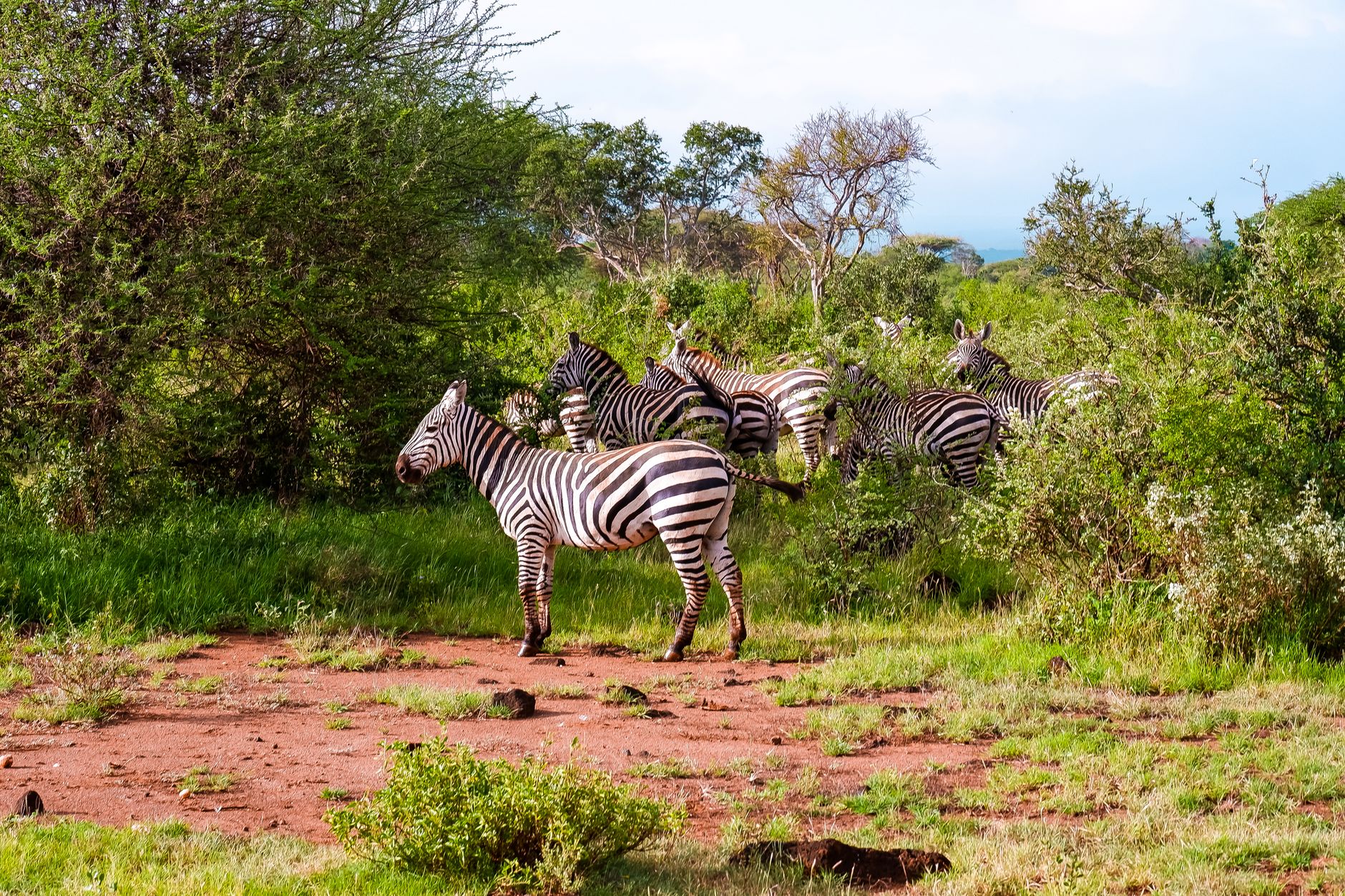
Samburu is drier and more remote. It has species you will not see in the Mara, like the Grevy’s zebra and the reticulated giraffe.
For your first safari, pair the Masai Mara with one other park. Amboseli or Ol Pejeta both work well.
How should I pack for the Kenyan climate?
Kenya’s climate is mild, not like Nigeria’s heat and humidity. The highlands get cool, especially at night.
For the Mara, pack layers. Mornings start cold, around 10 to 15 degrees Celsius. Afternoons warm up to 25 to 30 degrees. A light fleece and a windbreaker are essential.
Neutral colors work best. Khaki, beige, olive, and grey blend in. Avoid bright colors like blue, which attract tsetse flies. White also shows dust and dirt quickly.
Do not forget sunscreen, a hat, and insect repellent. The sun is strong at high altitude. Good walking shoes help on game drives when you step out for bush lunches.
Check our detailed Kenya safari packing list for a full item breakdown.
Is Kenya cheaper or more expensive than a domestic Nigerian vacation?
It is more expensive. Safari park fees are priced for international visitors in USD. A domestic trip to Lekki or Calabar costs a fraction of a safari.
But you get value. A Kenyan safari includes guided game drives in a custom vehicle, all park entry fees, full board meals, and expert interpretation. You are not just paying for a hotel room.
Compare it to a short trip to London or Dubai instead. A Kenya safari is a similar price but a completely different experience, and the flight from Lagos is shorter too.
To control costs, travel in the shoulder season, like June or November. Share a vehicle with friends. Stay in camps outside the main reserve, where fees are lower.
For the best seasonal value, read our guide to the best time to visit the Masai Mara.
What does a sample 6 day Kenya safari itinerary look like?
Here is a realistic plan for a first trip.
Day 1: Fly from Lagos to Nairobi. Overnight at an airport hotel.
Day 2: Morning flight from Nairobi to the Masai Mara. Afternoon game drive. Overnight at a Mara camp.
Day 3: Full day in the Mara. Morning and evening game drives. Overnight at the camp.
Day 4: Morning game drive. Afternoon transfer to Ol Pejeta or Amboseli. Overnight there.
Day 5: Full day of game viewing. Overnight at the lodge.
Day 6: Morning drive. Return to Nairobi for your flight home.
This plan works for the Mara plus one other park. Flights between parks save you a full day of driving. The internal flight adds cost, but it is worth it.
How do I compare safari operators and packages?
Do not book the first package you see. Compare at least three operators before deciding.
Check what is included in the price, since park fees, flights, meals, and laundry are not always covered. Many budget quotes leave out park fees, which are a big chunk of the total.
Check the vehicle too. A pop-up roof Land Cruiser is standard, and private vehicles cost more than shared ones. A shared vehicle with up to six people is fine for a first timer.
Read reviews from Nigerian travelers, since they will mention the flight, the food, and how the operator handled the visa process.
You can compare safari operators and browse packages through our partners. Use our detailed cost guide as a baseline for fair pricing.
Also, learn to spot Kenya’s Big Five before your trip so you know which animals to look for first.
The right operator listens to your budget and interests instead of pushing a plan you do not want. Take your time and ask questions.
Where Can You Find More Safari Planning Resources?
- Masai Mara Great Migration guide from Trunktrails Safaris
- Interactive Maasai Mara map from Valley Safaris
- Compare Kenya safari packages on FindMySafari
- Kenya wildlife tours from Trunktrails Safaris
More safari planning resources
- Masai Mara Great Migration guide from Trunktrails Safaris
- Interactive Maasai Mara map from Valley Safaris
- Compare Kenya safari packages on FindMySafari
- Kenya wildlife tours from Trunktrails Safaris
Related guides: Kenya Safari Planning for Afrikaans Speakers.